

2026 Q4 Market Update
 OCEAN FREIGHT RATES
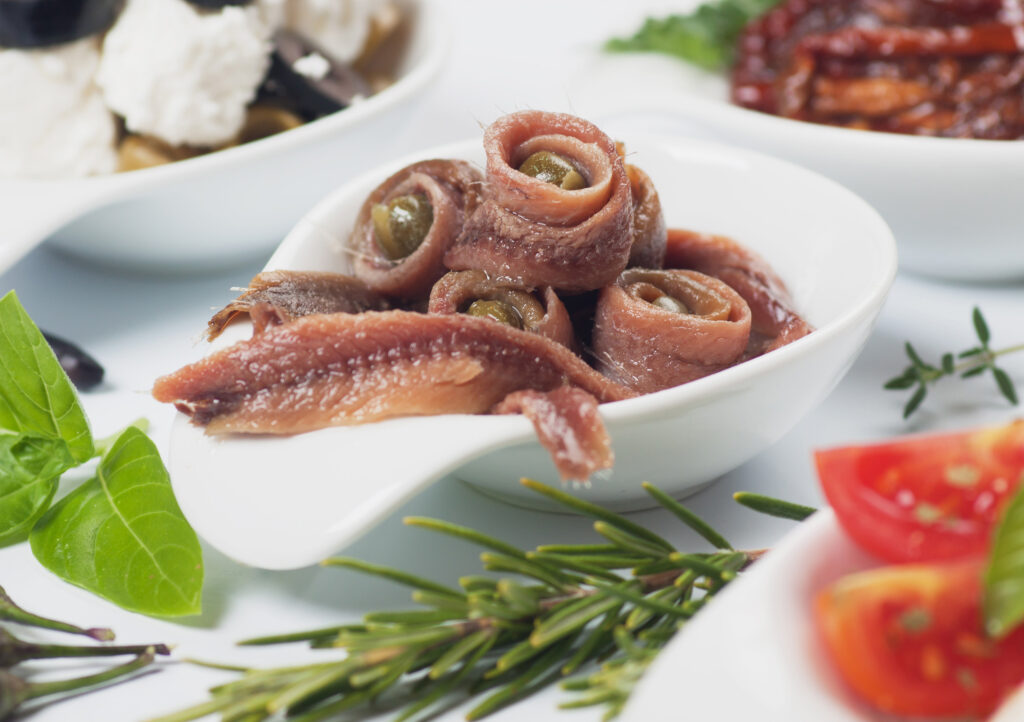
Ocean freight costs remain exceptionally high, driven by holiday shipping surges, Panama Canal capacity restrictions, and ongoing disruptions across major trade lanes. Severe weather in Shanghai and Ningbo during August and September triggered widespread port congestion across Asia, creating delays throughout the Far East. Combined with record-high fuel prices and strategic capacity cuts by carriers, these challenges have caused average ocean freight rates from the Far East to the U.S. to triple since May, with little relief in sight.
Elsewhere, freight rates have remained relatively stable, but weather-related and geopolitical disruptions continue to cause significant delays. Overall, importing goods by ocean has become increasingly expensive, with longer transit times and less predictable delivery schedules, creating continued challenges for global supply chains.
 EL NIÑO
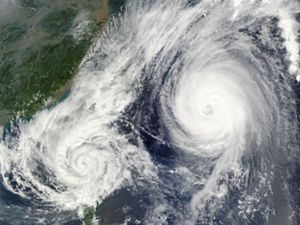
The 2026 El Niño event is shaping up to be one of the strongest on record for this time of year, with peak impacts expected in late fall and winter. By transferring significant heat from the ocean into the atmosphere, this powerful climate pattern can push global temperatures higher and increase the potential for new annual heat records. Its effects will vary by region, with Southeast Asia facing extreme heat and drought, while Peru is bracing for torrential rains and flooding. These conditions pose concerns for key items, including anchovies, tuna, pineapple, peppers, and artichokes, as shifting ocean temperatures and extreme weather threaten fishing activity, crop yields, and overall supply stability.
 ANCHOVIES
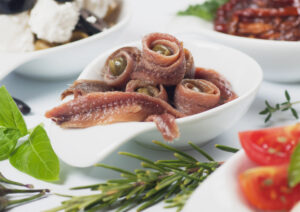
Due to the effects of El Niño, new fishing activity in Peru is not anticipated until March/April 2027 at the earliest. Warmer ocean temperatures are pushing fish into deeper waters and making them more difficult to catch. Following the catch, an approximately four-month curing process means shipments from the new season may not be available until August/September 2027. To ensure continuity of supply, we are currently sourcing anchovies from Morocco and will continue to explore additional suppliers and sourcing countries. We will continue to closely monitor fishery activity and supply conditions, sharing updates as availability and shipment timelines become clearer.
 TUNA
The tuna market remains firm as poor catches across the Far East continue to constrain supply. Similar to the anchovy catch in Peru, warmer ocean temperatures are pushing fish into deeper waters and making them more difficult to catch. Meanwhile, elevated fuel costs exacerbated by oil supply disruptions related to the conflict in Iran, and persistently high ocean freight rates, are adding further pressure to overall costs. With limited catches and ongoing cost challenges, the tuna market is expected to remain firm into the new year.
 PINEAPPLE
The pineapple market remains firm as weather conditions create challenges across key growing regions because of a strengthening El Niño. In Thailand, the winter crop harvest is off to a slow start, while warmer temperatures are contributing to inconsistent fruit sizing. Indonesia is also experiencing warm, dry conditions, with smaller fruit expected as a result. These size variations are particularly concerning for pineapple chunks and slices, where fruit dimensions play a critical role in meeting cut specifications and maintaining consistent product quality.
 PEPPERS & ARTICHOKES
An exceptionally strong El Niño event is also expected to put significant pressure on Peru’s pepper and artichoke crops, with potential disruptions to both yields and supply. Harvesting is currently underway, but above-seasonal temperatures across growing regions could lead to below-normal yields, tightening availability in the months ahead. Supply constraints are expected to persist through approximately April–May 2027. In addition to crop concerns, heavy rainfall could create further complications by damaging roads and bridges, disrupting transportation routes, and potentially delaying shipments. These combined challenges are likely to keep the market under pressure as the season progresses.
 CAPERS
Adverse weather conditions in key caper-growing countries, such as Morocco, are putting pressure on the availability of smaller varieties. Unusually hot temperatures are accelerating caper growth, resulting in larger buds and shifting harvesters’ focus to bigger sizes. Since capers are primarily wild-harvested by local farmers who are paid by weight, this has led to a significant decline in the supply of smaller caper varieties, particularly Lilliput, Nonpareil (NP), and Surfines. We will continue to monitor availability as the impact of these conditions unfolds.
 LYCHEE
This year’s lychee harvest fell well below expectations, driven by a combination of natural crop cycles and unfavorable weather conditions in China. Following last year’s strong harvest, trees entered a natural recovery period, typically producing less fruit in the subsequent season. Heavy rains during the flowering period further compounded the issue, negatively impacting fruit set and reducing overall yields. These challenges have driven significant price increases and tightened market availability.
 GREEN OLIVES
Favorable growing conditions in Spain are setting the stage for a strong olive harvest, with above-average yields expected for our Green Olive category. For the smaller calibers, we’ll be contracting the Manzanilla variety and for the larger calibers we will continue to source the Gordal variety to help support a reliable supply across our assortment.
Talk to us about this market
Our sales team is happy to help you leverage opportunities and find alternatives that work best with crop and market cycles.