

2026 Q2 Market Update
Tariffs
 Recent developments have introduced new uncertainty into the U.S. tariff landscape. In February, the U.S. Supreme Court ruled that tariffs imposed under the International Emergency Economic Powers Act were not legally authorized, casting doubt over a wide range of measures in place since the trade war escalation in April of last year.
After the ruling, President Trump enacted tariffs under Section 122, introducing a flat 10% duty on all imported goods effective as of February 24, 2026. This blanket rate now sits alongside existing country and product-specific duties.
Looking ahead, these Section 122 tariffs are currently set to remain in place through July 24 of this year. Any extension beyond that date would require action from Congress, leaving the longer-term outlook for tariff policy uncertain.
Iran War Impacts
 Tensions in the Middle East have created a global impact.
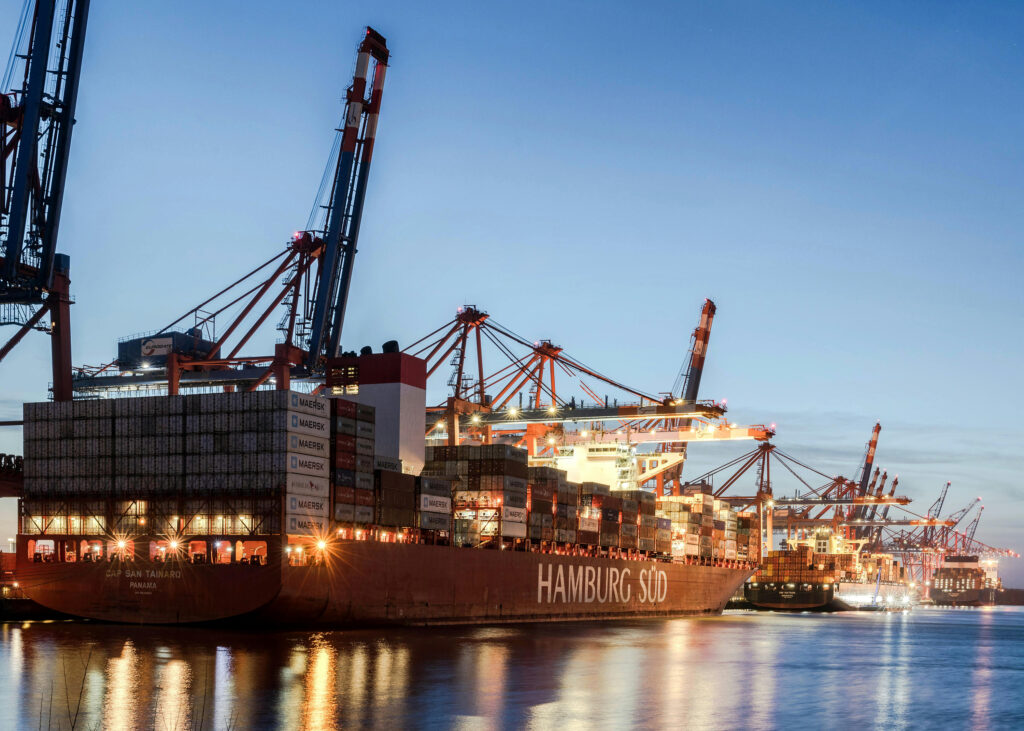
Ocean freight rates have been increasing due to the rising cost of oil and, thus, fuel. While a correction in fuel markets could eventually ease this upward trend, any meaningful drop in freight rates is likely to lag and unfold gradually rather than immediately.
Suppliers of packaging materials are increasingly signaling potential price hikes because of the conflict. Plastics are especially exposed, given their reliance on petroleum inputs, making them highly sensitive to fluctuations in oil prices.
In addition, the disruption in the Strait of Hormuz will impact the ability of fertilizers to reach farms worldwide, eventually constraining global food supply.
El Nino
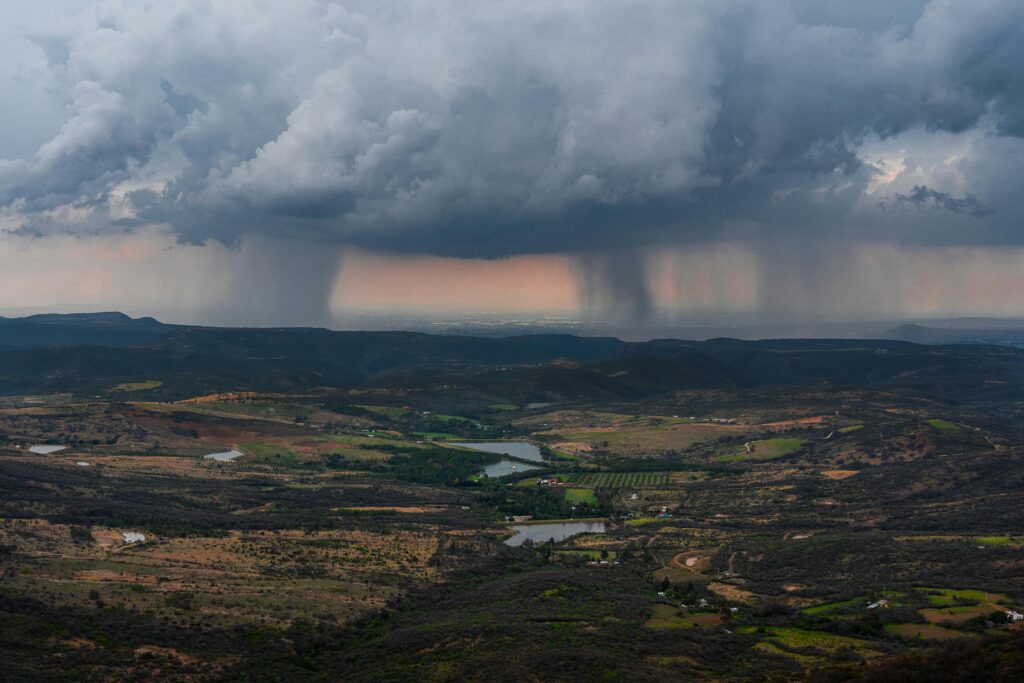 Early signals of El Niño are already taking hold, with rising sea surface temperatures across the central and eastern tropical Pacific and weakening trade winds. In Thailand, the effects are becoming increasingly evident with above-average temperatures nationwide, a weaker rainy season, and mounting drought risk across key regions. Reservoir levels are beginning to fall, raising concerns over water availability for households, agriculture, and industry alike.
In Peru, the 2026 coastal El Niño is delivering a starkly uneven impact across the country’s agricultural landscape. Torrential rains and flooding along the northern coast are colliding with drought conditions in the southern Andes, creating a fragmented and highly challenging growing environment.
 Pineapple
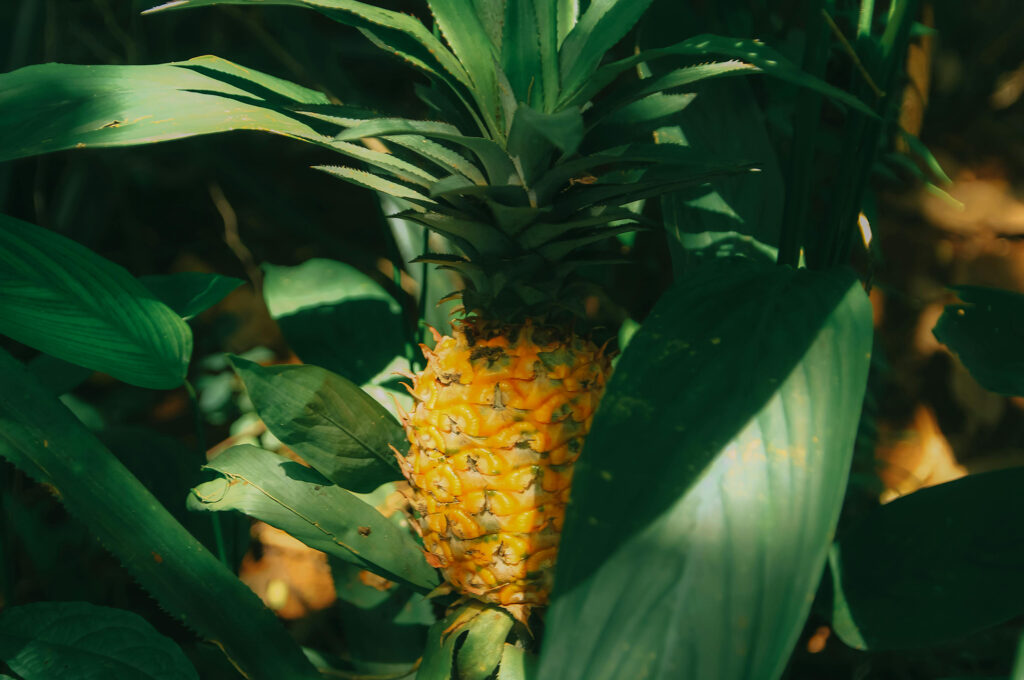
Raw material volumes are showing a measured rebound after the drought-driven shortages of 2024–2025, with suppliers gradually clearing backlogs and bringing a degree of stability back to the market. However, the outlook remains far from settled. As the year progresses into the third and fourth quarters, the potential emergence of a Super El Niño introduces renewed uncertainty, with the risk of fresh supply disruptions still looming.
Tuna
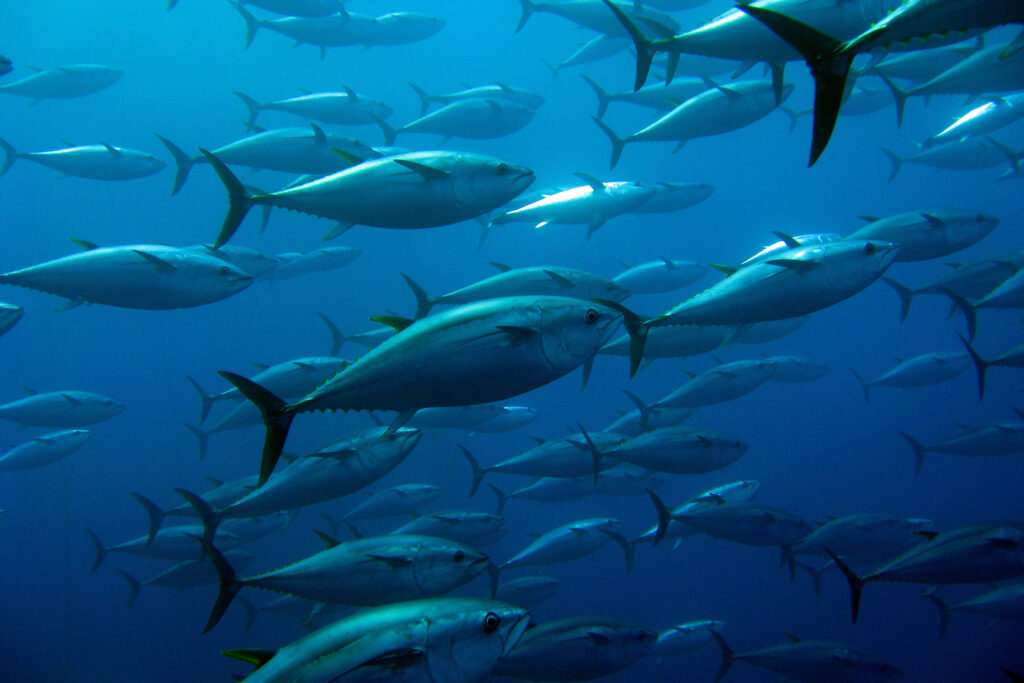
The canned tuna market continues to hold firm, supported by tightening supply conditions. Across Southeast Asian countries like Indonesia, Vietnam, and Thailand, the fishing industry is grappling with elevated fuel costs linked to ongoing tensions in the Middle East, driving up operating expenses and curbing fishing activity.
Compounding the pressure, adverse weather conditions in March and April have led to weaker catch volumes, further constraining supply and reinforcing the market’s upward momentum.
 Peppadew
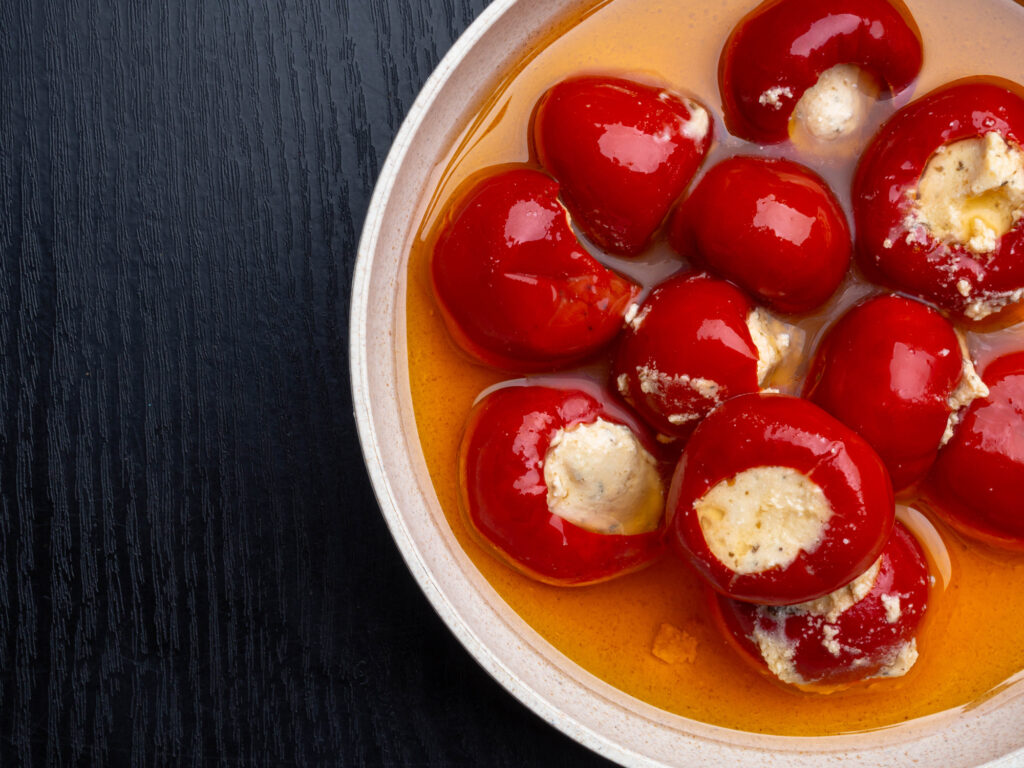
Peppadew pepper harvesting is now in its final stretch, with roughly a month to go before the season wraps up at the end of May, marking the close of this year’s production cycle. Overall, it has been a strong agricultural season, with solid outcomes in both supply reliability and product quality, leaving Peppadew well-equipped to meet demand with confidence.
Looking ahead, the company is closely monitoring the potential impact of El Niño in South Africa as early planning begins for the 2027 season. Current projections remain encouraging, supported by ongoing collaboration and alignment with farming partners.
Talk to us about this market
Our sales team is happy to help you leverage opportunities and find alternatives that work best with crop and market cycles.