

February 2026 Market Update
Ramadan to Impact Production Schedules Across Key Manufacturing Regions
Ramadan will be observed from February 17 through March 19 this year. During this time, many factories in observant countries will continue operating, but adjusted working hours and modified schedules may result in slower production timelines.
The Ramadan holiday is widely observed across several key manufacturing regions, including Indonesia, Thailand, Egypt, Morocco, and Turkey, so businesses sourcing from these markets should plan accordingly. If you’re exploring new programs or increasing volumes, we recommend building in additional lead time to help ensure smooth production and on-time delivery.
Anchovies
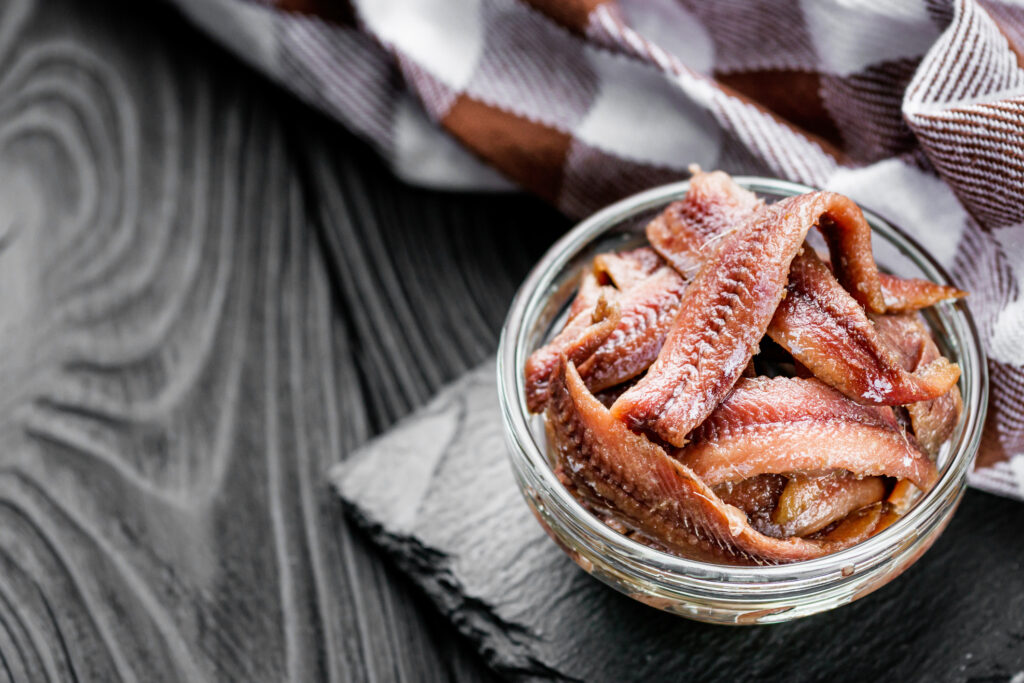
After nearly six months of minimal activity, suppliers are once again receiving fresh fish for salting. Early reports are encouraging, with strong sizing and overall quality; however, raw material availability remains tight. Limited supply, paired with steady demand, has driven a notable increase in raw fish pricing.
We will continue to monitor availability and pricing closely and share updates as market conditions develop.
 Beets
Beets
The Spanish beet market continues to show steady performance, supported by two well-established harvest cycles that ensure a reliable supply throughout the year. The winter crop typically runs from March/April through September/October, while the summer crop spans September through March, with slight variations depending on seasonal sunshine and rainfall.
This complementary harvest structure provides consistent year-round availability, stable pricing, and dependable quality, key advantages for long-term planning.
Thanks to extended sunlight exposure in Spain, beets develop higher natural sugar levels, delivering a noticeably sweeter flavor profile and a deeper, more vibrant purple hue compared to other origins.
Saffron
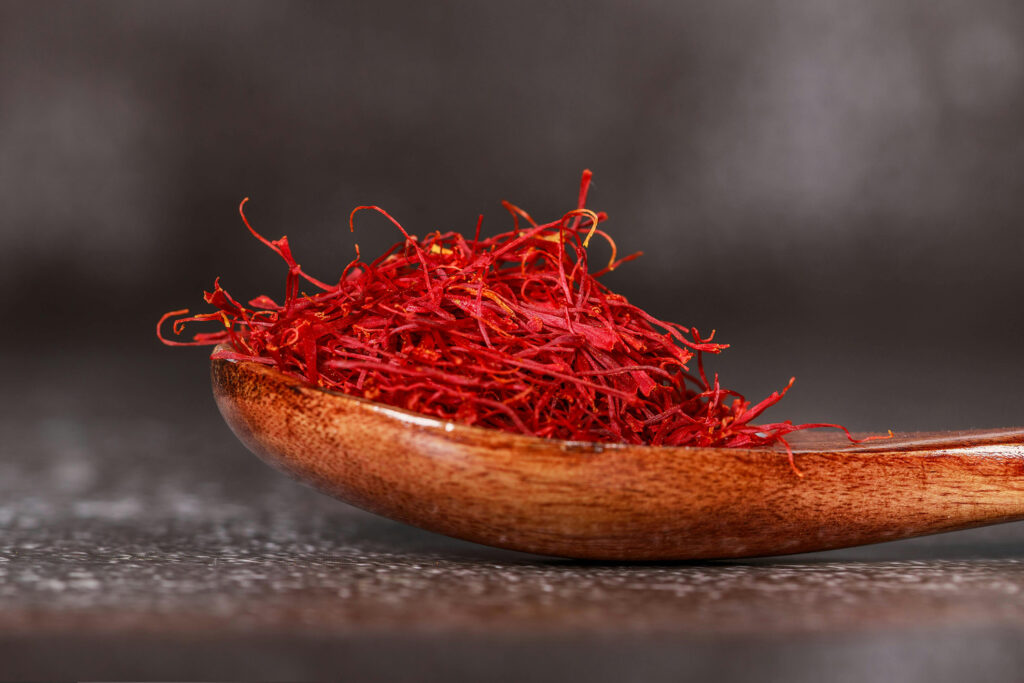
Ongoing instability in Iran has sent shockwaves through the global saffron market, driving prices up nearly 20% in just a few weeks. While Iranian saffron is not permitted for import into the U.S., Iran remains the world’s largest producer, and disruptions there inevitably impact global supply and pricing dynamics. The market is closely watching developments, with hopes that conditions will improve and exports resume in March, bringing much-needed stability to pricing worldwide.
Peppadew
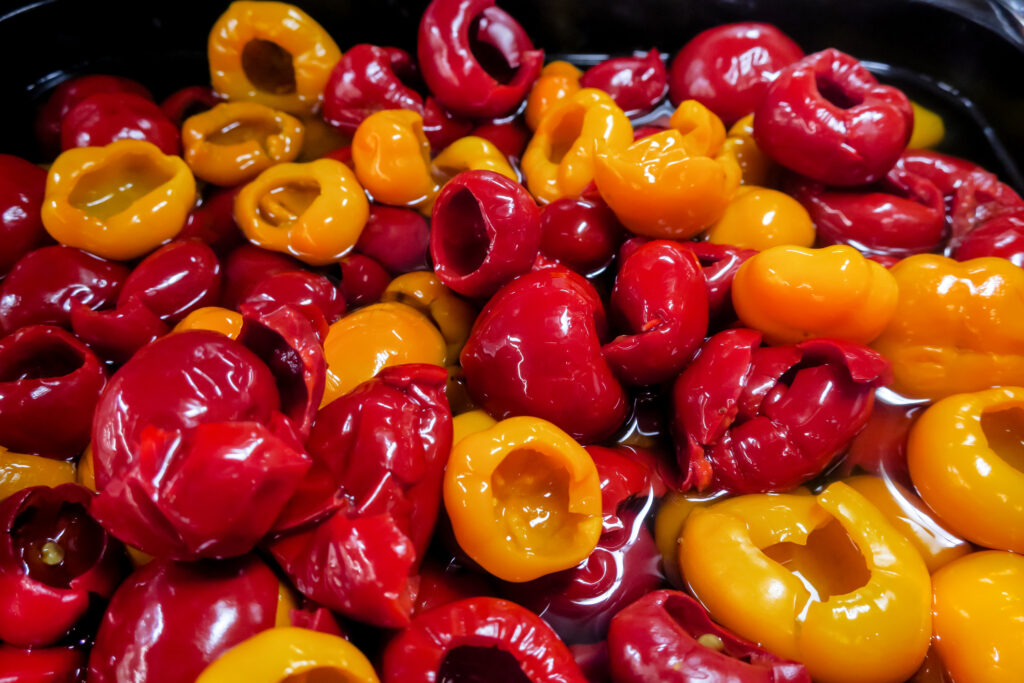
Harvest is officially underway for the 2025–26 piquanté pepper crop—our newest catalog addition. Picking began in January and will continue through March across South Africa’s key growing regions of Limpopo and Mpumalanga, where ideal climate conditions help produce vibrant color, balanced sweetness, and signature mild heat.
Early indicators are pointing to a promising 2025–26 crop. Meteorological forecasts and agricultural reports continue to reflect the influence of La Niña, with above-average rainfall projected through December 2025–February 2026. These conditions are particularly supportive during critical growth and early harvest stages, especially for pepper crops that benefit from consistent moisture.
In addition, sustained warm temperatures in the months ahead are expected to further accelerate plant development, strengthen fruit set, and support overall yield potential, setting the stage for a strong season.
This fresh crop signals strong availability and exciting opportunities for the season ahead.
 Extra Virgin Olive Oil
Heavy rainfall in Spain, the world’s leading olive oil producer, has disrupted harvest activity and compromised olive quality due to excess moisture. As a result, the expected market softening has yet to materialize, and pricing remains firm.
At the same time, Tunisia is reporting a record harvest, which could help ease supply pressures and bring some balance to the market in the months ahead.
Talk to us about this market
Our sales team is happy to help you leverage opportunities and find alternatives that work best with crop and market cycles.