

September 2025 Market Update
Tariff Update: What You Need to Know
Starting August 7, new tariff rules will take effect for all departing goods. For items sourced from the EU, any rate below 15% will automatically increase to 15%, while rates already at 15% or higher will remain unchanged. Annex 1 outlines the country-specific details, with nations like Thailand, Indonesia, Turkey, and Vietnam carrying tariffs in the 15–20% range. Goods from countries not listed in Annex 1 will face an additional 10% tariff. Meanwhile, the 30% tariff on Chinese goods has been extended through November 10, and the 30% tariff on Mexican goods has been temporarily paused for 90 days starting July 31.
Shipping Demand & Ocean Freight Rates
Demand for shipping has slowed as businesses navigate ongoing economic and tariff uncertainties. As a result, freight rates from the Far East to both the East and West Coasts have been on a steady decline for several months. In fact, by August, rates had dropped to less than half of what they were in May—a sharp correction that highlights just how quickly the market is shifting.
Turkey’s Economic Strain Hits Food Prices
U.S. consumers may soon feel the ripple effects of Turkey’s deepening economic troubles, as prices on Turkish goods continue to climb. Soaring inflation, steep interest rates, and a volatile exchange rate are driving up production costs, with the impact now spilling over into exports. Key categories such as oven-roasted tomatoes, sun-dried tomatoes, and pickled peppers are among the most affected, signaling tighter markets and higher price tags ahead.
Lychees
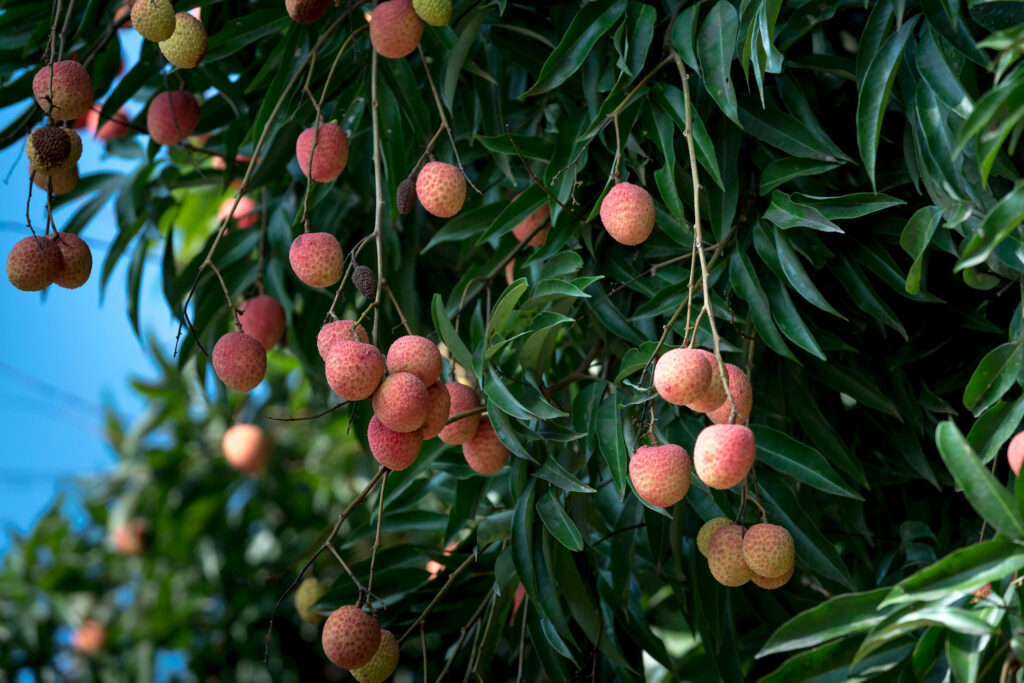
China’s 2025 lychee harvest is bouncing back in a big way after last year’s reduced yields. The 2024 crop came in about 32% below the five-year average, but thanks to favorable weather, this season’s harvest is thriving. Production is expected to be nearly 35% above the five-year average. While tariffs remain a factor, the overall market has softened compared to the strong demand we saw last year, creating a different but promising landscape for buyers and sellers alike.
Cherries
This year’s European cherry crop has faced setbacks, with frosts across key growing regions, including Turkey, Greece, Ukraine, and Poland, leading to significantly lower yields. The tighter supply has pushed global market prices higher, creating challenges for buyers. On a brighter note, the Northwestern U.S. crop is expected to deliver strong yields, helping to ease pressure on maraschino cherry pricing and availability. However, Amarena cherries, which are sourced exclusively from Europe, will feel the greatest impact from the reduced harvest.
Peaches
The season began with expectations of a normal peach harvest, but by mid-July, processors were met with unexpected challenges. IQF (Individually Quick Frozen) processors ramped up their purchases well beyond previous years, quickly tightening supply and leaving factories scrambling to secure fruit. These supply constraints continue to ripple through the sector, driving both production challenges and upward pressure on pricing.
Apricots
This year’s apricot season was unusually short, as unseasonably cold spring weather sharply reduced crop yields and left factories struggling to secure enough fruit. Adding to the challenge, continued tariff uncertainty has prompted many processors to cut back production of A10 apricot halves, pushing inventories to critically low levels. The result: tighter supply and growing pressure across the market. SFI is actively monitoring the situation, as both climate volatility and trade policy remain key factors shaping future availability.
Talk to us about this market
Our sales team is happy to help you leverage opportunities and find alternatives that work best with crop and market cycles.