

December 2025 Market Update
Tariffs
Tariffs have surged into the spotlight, appearing in headlines far more frequently than in years past. Until recently, tariff and duty rate updates were typically minor, arising only for small adjustments. Today, however, the landscape has shifted, and tariff changes are becoming far more frequent, impactful, and disruptive.
As importers, we are responsible for paying all duties and tariffs at the time our products arrive in the United States. That added cost becomes a built-in part of our costing structure. It’s important to note that our foreign suppliers do not pay these pre-existing or newly imposed tariffs. While rising costs for U.S. importers and consumers can make foreign products less competitive globally, these tariffs represent an entirely new expense that American businesses must absorb.
Many of the products we import simply aren’t grown or produced in the United States, or domestic production isn’t sufficient to meet national demand. As a result, tariffs directly affect the cost and availability of essential goods relied upon by U.S. manufacturers, retailers, and consumers.
Foreign Currency Exchange Rates
Over the past year, shifts in U.S. foreign trade policy have contributed to a notable weakening of the U.S. dollar. In the last 12 months, the USD has fallen roughly 11% against the Euro and about 3% against the Chinese RMB. For importers, this decline directly translates into higher costs. Even if we purchase goods in USD, EUR, or RMB, the reduced buying power of the dollar increases our expenses across the board. In practical terms, this currency movement acts as an additional layer of inflation, raising the cost of goods before they even reach our shores.
Olives
The upcoming olive crop across both green and ripe varieties is shaping up to be one of the most uneven in recent years, with notable swings in both volume and fruit size depending on the region.
Egypt is proving to be a standout. Newly planted groves are reaching maturity, setting the stage for a meaningful production jump compared to 2024 and signaling the country’s growing influence in the global olive market.
Morocco is also trending upward. Favorable weather during the flowering period has fueled yields that not only surpass last year’s crop but also exceed the five-year average. The one caveat: an intense heat spell is likely to reduce average fruit size, tempering an otherwise strong season.
Meanwhile, Spain and Portugal have seen their outlook dim slightly. Early-season projections were optimistic, but recent heat waves and delayed rainfall have dampened expectations. Although total yields are still expected to come in higher than in 2024, the fruit itself is anticipated to be significantly smaller. Overall, the 2025 harvest is shaping up to be a complex one—marked by regional success stories, weather-driven setbacks, and shifting dynamics that will influence global supply in the months ahead.
Olive Oil
The Extra Virgin Olive Oil (EVOO) market remains notably firm, and several key factors are reinforcing that strength. In Spain, the world’s largest producer, unusually heavy rainfall has put pressure on crop quality, dampening expectations for a robust harvest. What had initially looked like a promising season is now projected to fall short of earlier forecasts.
Adding to the tightness, the Euro has strengthened against the U.S. Dollar, making European-origin olive oil more expensive for American buyers and further elevating market costs.
Together, these conditions point to a market that is likely to stay firm well into 2026, with limited relief expected in the near term.
Anchovies
Climate-related shifts continue to disrupt the availability of Anchoas Ringens, with landings proving far less predictable than in past seasons. As seen in recent years, the fish are running smaller, and overall catch volumes have declined. While anchovies remain available, supply is falling short of typical expectations. For now, we are well stocked and able to meet demand—but the ongoing volatility keeps us cautious about future availability.
Mandarin Oranges
China’s 2025/2026 Mandarin Orange harvest is now in progress, and early reports point to a healthy, promising crop. When paired with the sizable carryover from the 2024/2025 season, overall supply is projected to be strong, setting the stage for a softer, more relaxed market in the months ahead.
Quinoa
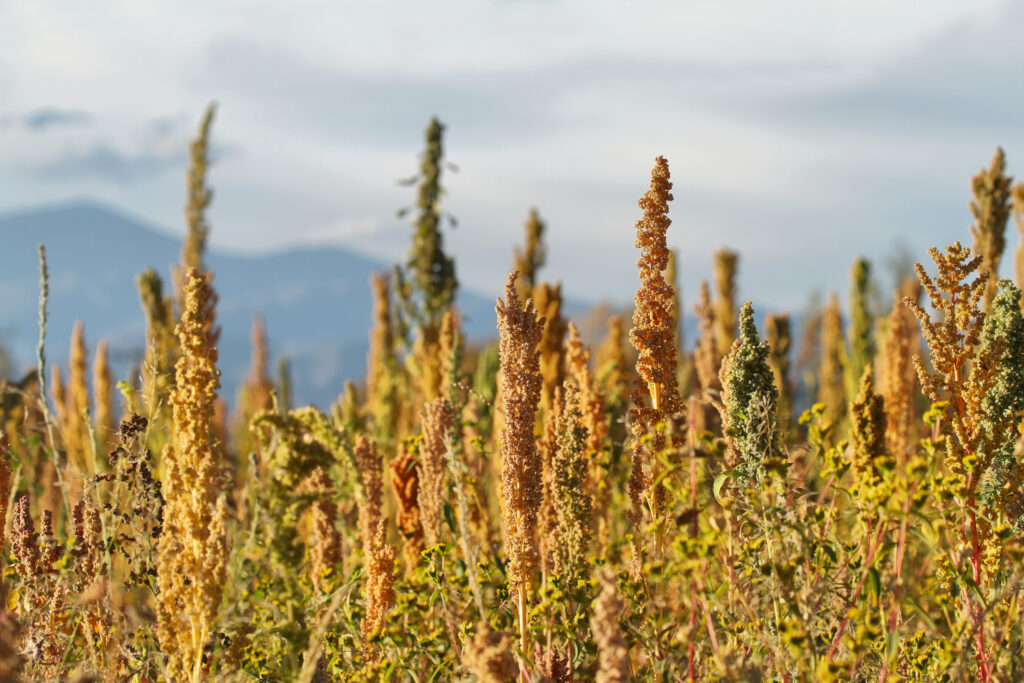
The quinoa market remains firm, driven by strong export demand from China, Europe, and the United States. This sustained global appetite is pushing prices upward, with the greatest pressure seen in organic and tricolor varieties.
Peru’s harvest cycle offers the next potential shift in supply: red and other colored quinoa are set to begin harvesting in April, followed by white quinoa in May. Until those new crop volumes arrive, market conditions are expected to stay tight and pricing firm.
Freight Market
The freight market has been unpredictable throughout 2025, largely driven by shifting tariff conditions. Rates spiked sharply in May as new carrier contracts took effect, only to plunge over the summer before climbing again with another major increase in October.
Today, pricing has settled back to pre-October levels and is even slightly below the highs seen after the May surge. However, stability remains elusive. Carriers continue to push aggressively for higher rates, suggesting we’ll likely see more short-lived spikes followed by quick corrections as the market recalibrates.
Talk to us about this market
Our sales team is happy to help you leverage opportunities and find alternatives that work best with crop and market cycles.